
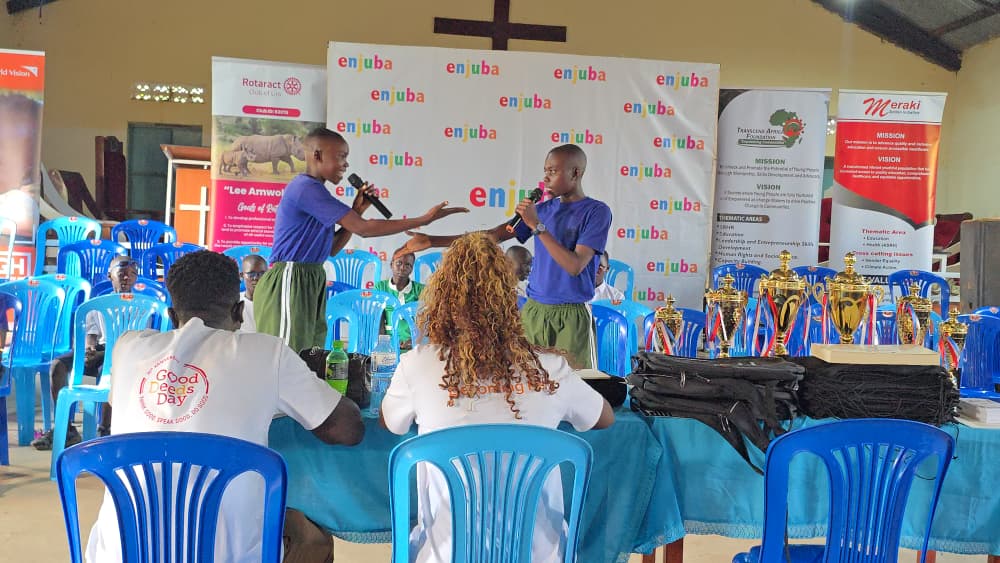
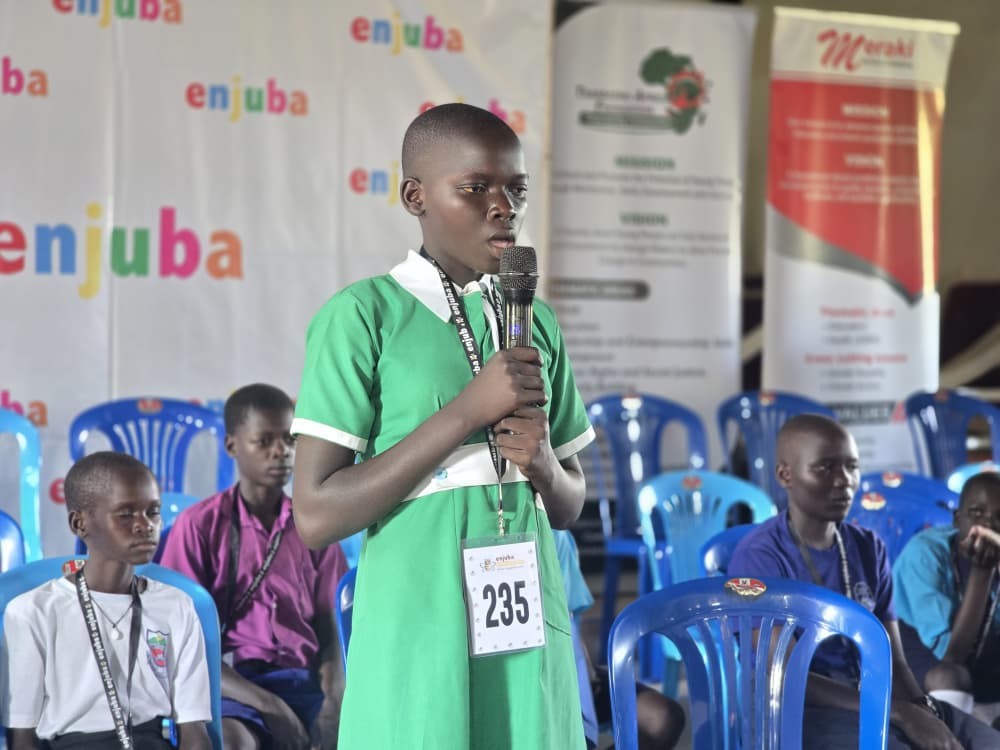
KOLE — At Alito Sub-county, the usual quiet of a rural school compound was replaced by the sound of applause, recited poetry and carefully pronounced words as pupils from across Kole District competed in spelling, public speaking and poetry.
Some contestants faltered under pressure while others spoke with remarkable confidence, but for education leaders, the competition was about far more than crowning winners.
It was a demonstration of how literacy competitions are beginning to change learning outcomes in rural schools by encouraging children to read more, communicate confidently and develop skills that extend beyond the classroom.
The occasion was the second Kole Spelling Bee, Poetry and Public Speech Competition, which brought together learners from 10 schools across the district.
Behind the excitement lies a much larger objective: improving literacy in a district where education officials estimate literacy levels stand at just 54 percent.
Although that represents progress compared to previous years, it also means nearly half of learners still struggle with basic reading, writing and comprehension skills.
For district education officials, literacy is not simply an academic issue but a development concern with implications for employment, civic participation, access to information and future economic opportunities.
"Looking at our literacy levels, we still have a lot of work to do," said Nora Auma, the Senior Education Officer for Kole District.
"Our children can read and write, but we need to strengthen those skills further to ensure they become confident and competent learners."
Auma believes literacy competitions provide an effective way of assessing both learners and teachers.
Watching pupils spell unfamiliar words, interpret poems and deliver speeches enables teachers to identify strengths and weaknesses that may not be apparent during routine classroom lessons.
"This competition serves as a kind of benchmark," she said. "When teachers return to their schools, they can identify where learners are struggling and develop strategies to support them better."
Despite the progress, education officials say several structural challenges continue to undermine literacy development.
Among the biggest is absenteeism.
Although schools often register high enrolment at the beginning of each term, attendance fluctuates significantly throughout the year.
During planting and weeding seasons, many children are kept home to work in family gardens. Others miss lessons on market days or because of domestic responsibilities.
"The curriculum is designed for learners to be in school every day," Auma explained.
"When a child attends for three days and misses two, they lose important lessons. Those gaps accumulate over time and eventually affect literacy and academic performance."
Poverty compounds the problem.
Many parents struggle to provide basic learning materials such as exercise books, pens and pencils, limiting children's ability to participate fully in class.
Yet literacy advocates believe meaningful progress is possible when reading becomes enjoyable rather than compulsory.
For Brenda Okello, Team Leader at Meraki Action Initiative, the goal extends beyond improving examination performance.
"We want children to become curious," she said. "We want them to read because they enjoy it, not only because they have an exam to pass."
Meraki Action Initiative, working alongside partners including Enjuba Uganda, has been supporting schools by strengthening libraries, providing reading materials and organising literacy activities that allow pupils to demonstrate what they have learned.
According to Okello, the difference between this year's participants and those in earlier competitions has been striking.
She recalled that many learners previously struggled with reading comprehension and lacked confidence when speaking before audiences.
This year, however, contestants demonstrated stronger vocabulary, improved comprehension and greater confidence while presenting before judges and fellow pupils.
"We are seeing a completely different story," she said. "Children are performing much better and showing a deeper understanding of what they are reading."
For literacy specialists, such improvements reflect the power of experiential learning.
William Mukisa, Chief Literacy at Enjuba Uganda, believes competitions such as spelling bees encourage children to engage with books beyond what is required in class.
"These competitions may appear simple, but they have a profound impact," Mukisa said.
"In preparation, learners read more, discover new words, improve comprehension and develop confidence. Those are skills that influence every aspect of their education."
However, Mukisa cautioned that competitions alone cannot solve Uganda's literacy challenges.
He said many rural schools continue to face shortages of books and reading materials, making it difficult for children to develop regular reading habits.
"The first step in solving illiteracy is ensuring access to books," he said.
"Children need storybooks, readers and materials that encourage them to read for pleasure. The more they read, the more interested they become in learning."
Education experts have consistently argued that a strong reading culture develops through continuous exposure to books.
Children who read regularly generally acquire larger vocabularies, stronger comprehension skills and better academic performance across subjects.
The competitions are also helping learners build communication skills that many rural children rarely have an opportunity to develop.
Public speaking requires contestants to organise ideas, think critically and present them clearly before an audience.
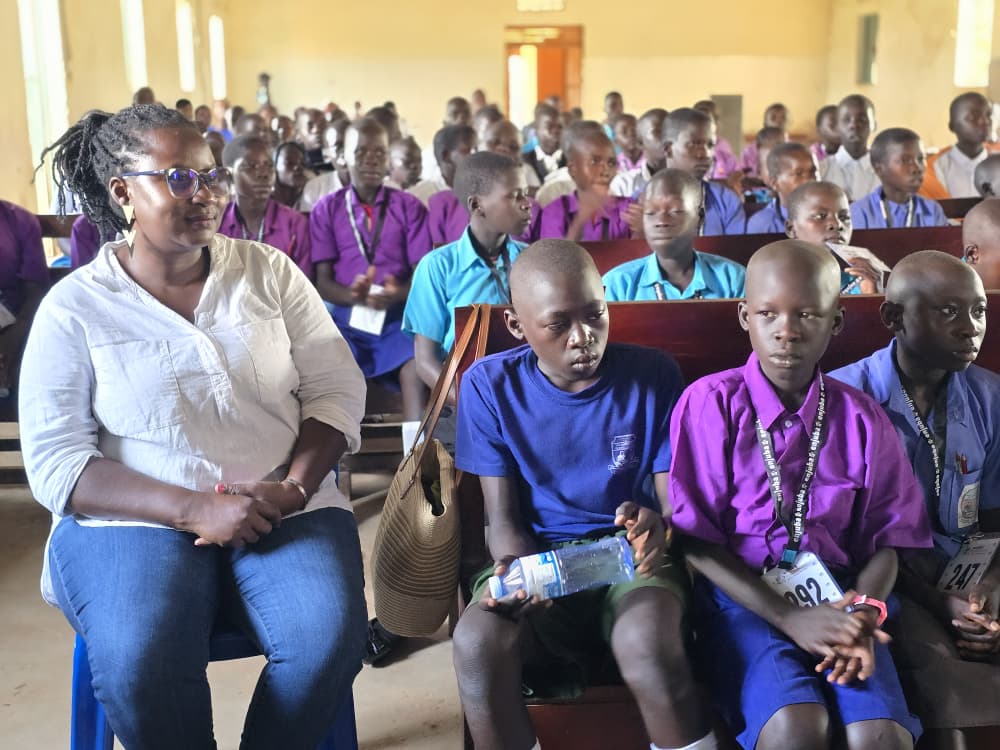
According to Dr Andrew Ojulong, Librarian at Lira University and Executive Chairman of the Consortium of Uganda University Libraries, these experiences have benefits that extend well beyond primary school.
"When children participate in spelling, poetry and public speaking competitions, they develop confidence and critical thinking abilities," he said.
"These are skills that remain valuable throughout their educational journey and professional lives."
Ojulong believes literacy initiatives are gradually narrowing the gap between rural and urban schools by exposing learners to opportunities that were once available mainly in better-resourced institutions.
He noted that many of Uganda's accomplished professionals came from rural schools despite studying under difficult conditions.
Providing today's learners with stronger literacy foundations, he said, is an investment in the country's future workforce and leadership.
"I see greatness in these children," Ojulong said. "I see their potential being unlocked."
As pupils returned to their classrooms after the competition, they carried home more than certificates and trophies. For many, the experience offered a new appreciation of reading, greater confidence to express themselves and proof that talent can flourish when young learners are given the opportunity to grow.
